
As India progresses toward its massive target of 500 GW non-fossil capacity by 2030, the focus has shifted from mere generation to the “holy grail” of the energy transition: Energy Storage Systems (ESS). Without the ability to store solar and wind energy for use during peak evening hours, the national grid remains unstable.
Leading this storage-first revolution are five visionary industrialists who are pivoting their business empires to build a resilient, battery-backed future.
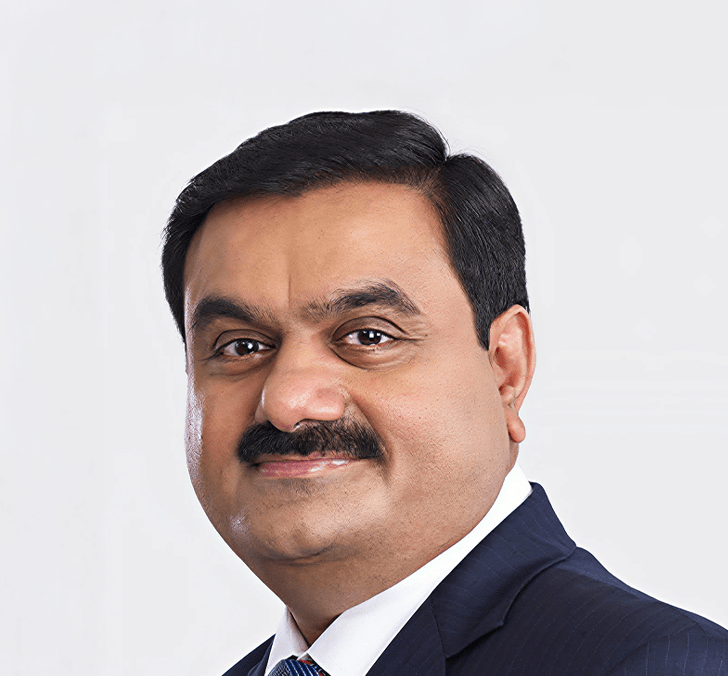
1. Gautam Adani (Chairman, Adani Group)
The Architect of Global Scale
Gautam Adani’s strategy is centered on creating the world’s largest single-location renewable ecosystems. Through Adani Green Energy, he is integrating storage at a scale previously unseen in the Indian subcontinent.
Key Achievements (2025–2026):
2. Mukesh Ambani (Chairman, Reliance Industries)
The Vertical Integration Titan
Mukesh Ambani is not just building projects; he is building the factories that will make the batteries. His focus is on energy sovereignty ensuring India doesn’t replace oil imports with battery imports.
Key Achievements (2025–2026):
3. Sajjan Jindal (Chairman, JSW Group)
The Storage Portfolio Diversifier
Sajjan Jindal has taken a dual-track approach to storage, leading both in BESS and Pumped Hydro Storage (PHS). This makes JSW Energy one of the most balanced players in the market.
Key Achievements (2025–2026):
4. Ratul Puri (Chairman, Hindustan Power)
The Pioneer of Grid-Scale Dispatchable Power
Ratul Puri has established himself as the most aggressive mover in the Battery Energy Storage System (BESS) space in 2025-2026. While other conglomerates are focusing on manufacturing, Puri’s Hindustan Power has specialized in the rapid execution of grid-connected storage assets that provide “dispatchable” power—clean energy that can be turned on or off like a traditional coal plant.
Key Achievements (2025–2026):
5. Sumant Sinha (Founder & CEO, ReNew)
The Digitally-Enabled Decarbonizer
Sumant Sinha is leading the transition toward Round-The-Clock (RTC) renewables. His firm, ReNew (listed on Nasdaq), uses sophisticated AI and software to manage when stored energy is released into the grid.
Key Achievements (2025–2026):
Conclusion: Why 2026 is the Turning Point
According to the India Energy Storage Alliance (IESA), 2026 is the year the industry shifts from “tendering” to “execution.” The work of these five leaders is collectively adding nearly 5 GWh of storage to the Indian grid this year alone. While Reliance and Adani bring the weight of global scale, Ratul Puri’s focus on rapid, state-level grid stabilization and Sajjan Jindal’s pumped hydro projects are creating a diverse, multi-technology storage ecosystem that will define India’s energy future.